If you've just booked your first archery lesson, or you're thinking about it. You probably have a small pile of questions. What do I wear? Will I be embarrassed? Will it hurt? Will I actually shoot an arrow, or just stand there learning stuff?
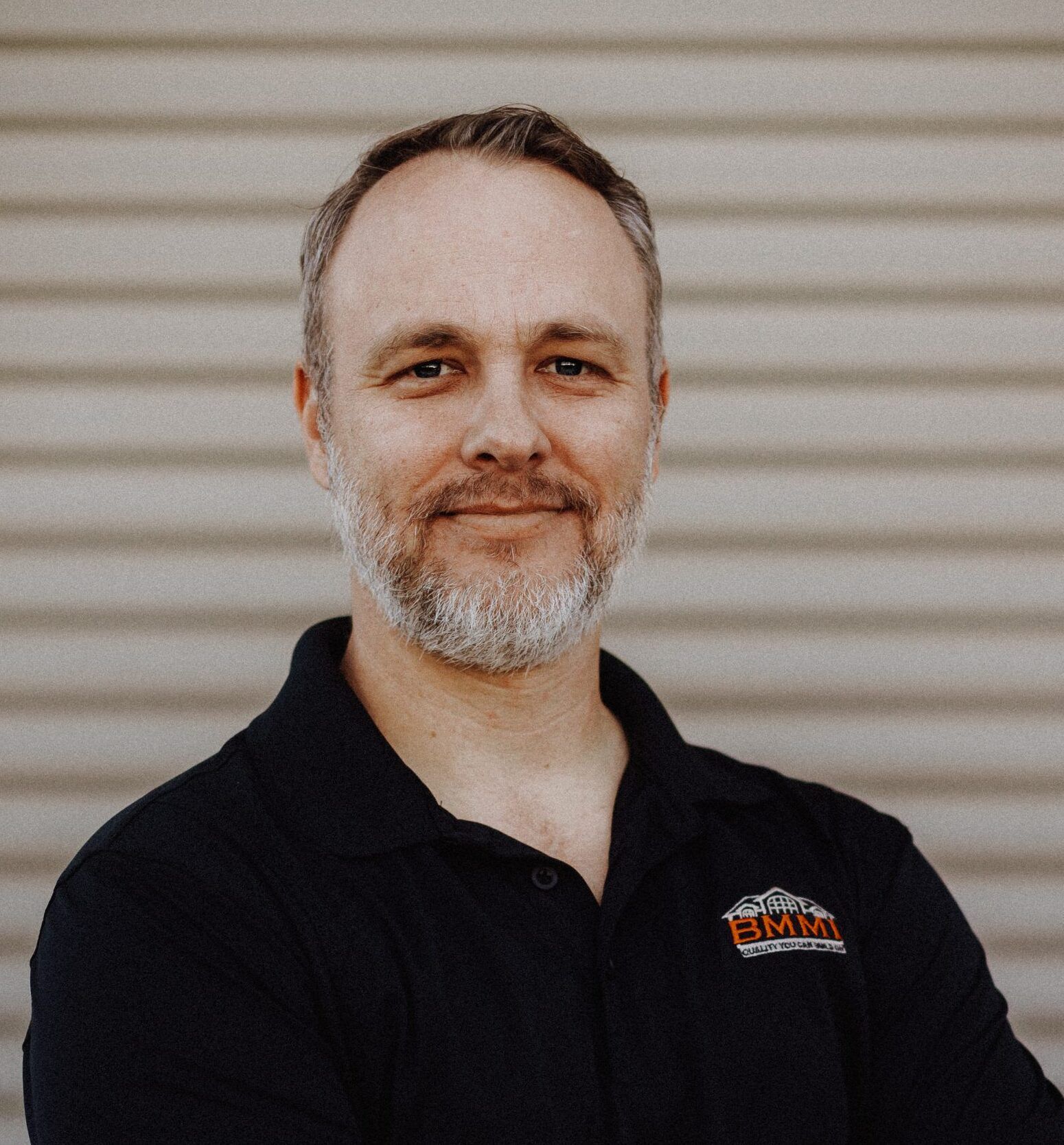
I'm Scott Reed. I'm USA Archery Level 2 certified and I run the beginner program at Archery Sarasota. I've taught hundreds of first lessons, for 6-year-olds, for adults in their 70s, and for everyone in between. Here's what your first hour with us actually looks like, walked through minute by minute, so you can show up knowing what to expect. If you're not booked yet, here's the first-lesson page with pricing and availability.
The short version: you'll shoot arrows. You'll hit the target. You'll probably grin. Now here's the long version.
Before You Arrive
What to wear. Closed-toe shoes. Sneakers, boots, anything but flip-flops or sandals. Clothes you can move in. Athletic wear is fine. Jeans are fine. Avoid loose tops or anything bulky that catches the bowstring on the way back. Long sleeves aren't required, but they can help with string slap until your form gets dialed in. We provide armguards either way. If your hair is long enough to get in the way, pull it back.
What to bring. Just yourself. We provide all the equipment for beginners. Bows, arrows, armguards, finger tabs or release aids, even safety glasses if you'd like a pair. Bring a water bottle if you like. Florida heat is real, even on the covered shooting line. Bring a phone if you want pictures. Most beginners do, because the first arrow on target is a moment, and you don't want to miss it.
When to arrive. Five to ten minutes early is perfect. Pull into the gravel drive, park, and walk up. Someone will meet you. The address is 5519 Cynthia Ln, Sarasota FL 34235, and we send directions when you book.
First 5 Minutes, The Welcome
We meet you in person. There's no counter to check in at, no line, no waiting room. Just one of us walking out to greet you. We'll do a brief paperwork step: a one-page liability waiver. If you're a minor, a parent signs.
Then we walk to the range together. It's an outdoor 120-yard range with a covered shooting line, so you're shaded for the whole lesson regardless of weather. If this is a lesson for a kid, the parent gets shown to the seating area near the line. You can see and hear everything from there, and you can sit through the whole hour. We like it when parents watch. Kids check in with you between shots, and you'll have a much clearer sense of how the lesson went than any after-the-fact debrief could give you.
Minutes 5–10, The Safety Briefing
We do this for every first lesson without exception. Even if you've shot before somewhere else. The briefing is short, but it's the foundation everything else rests on. If you want the deeper version of why we're sticklers about this, Rob wrote a longer piece on archery safety for kids that covers the supervision logic in detail.
Three commands you'll learn. Range hot. It's safe to shoot. Range cold. No shooting, used during retrieval. Stop. Immediate freeze, used by anyone for any safety concern. We say all three out loud and make sure you can repeat them back. One non-negotiable rule: nobody crosses the shooting line until the range is called cold and all bows are racked.
We show you the equipment. How a bow is held, how it gets racked when you're not shooting, how arrows are stored on the line. We answer any question you have. There's no dumb question. We'd much rather you ask now than wonder later in the middle of a shot.
This is also when we check your eye dominance. Whether you're right-eye or left-eye dominant. That determines which hand holds the bow. About a third of people are cross-dominant. Right-handed but left-eye dominant, or vice versa, and we shoot to your eye, not your handedness. If we don't catch this in the first ten minutes, your shots will frustrate you for the next year. So we catch it now.
Minutes 10–25. Stance, Grip, Draw (Without Arrows)
This is the boring-but-essential part. We practice the motion of shooting without ever loading an arrow. It feels a little silly the first time. It's also the difference between a lesson where you spend the next 40 minutes shooting cleanly and a lesson where you spend the next 40 minutes wondering why nothing's working.
Stance. Feet shoulder-width apart, body perpendicular to the target. Weight balanced. Standing tall but not stiff. We position you, then have you reset two or three times so the body remembers what it feels like.
Grip. How to hold the bow without squeezing it. The bow rests in your hand. It's not gripped like a hammer. New shooters almost always over-grip on instinct, and the over-grip torques the bow at release. We loosen the hand and check.
Loading. How to nock an arrow on the string and onto the rest. We do this dry. No arrow. Several times so your hands learn the motion before there's anything sharp involved.
Draw. Pulling the string back smoothly using your back muscles, not your arm. This is the move that surprises adults the most. The right way to draw a bow uses muscles you don't normally activate, and the wrong way uses the muscles you do. We coach you onto the right ones.
Anchor. The point on your face the string touches at full draw. Usually the corner of the mouth or the side of the jaw. Same place, every shot. The anchor is the reference that makes shots repeatable, and we'll fuss about it for the rest of your archery life because it's that important.
We'll have you draw and let down five to ten times without an arrow. It feels repetitive. It is the foundation of everything that comes next.
Minutes 25–40. Your First Arrows
We load your first arrow with you, hand-over-hand the first time. Many coaches won't do that. We will. It's the moment a lot of nerves come up, and the easiest way through nerves is to have someone walk you across the bridge.
Your first target is at 5–7 yards. It's a large foam target and it's almost impossible to miss completely. The first shot is usually the most memorable. Some people land it dead center. Some send the arrow into the dirt three feet in front of the target. Both are fine. Both teach you something about what your body just did.
We talk through each shot. What your form looked like, what the arrow did, what to adjust on the next one. The feedback loop is immediate, which is one of the reasons the sport is so satisfying.
Most beginners put 10 to 20 arrows downrange in this stretch. By arrow 15, most are hitting the target consistently. We move it back to 10 yards once you're comfortable. Then 15. Most beginners get to 15 yards on their first lesson. The first 60 yards of the range are open to you. Beyond that is for more advanced sessions later on.
Minutes 40–55. Working at Distance
By the time you've shot 30 or 40 arrows, you'll have natural questions. Why did that one drift right? Why does the bow suddenly feel different now? Why are some of my shots landing tight together and others scattering?
This is where I start adjusting your form in small ways. Grip, anchor, follow-through. The little stuff that turns 15 lessons of practice into 5. Not all of it sticks on day one, and that's fine. Some of the corrections are seeds you'll come back to in lesson three or four.
For kids especially, we work in short bursts in this stretch. Five minutes of shooting, two minutes of rest. Their fingers and shoulders fatigue faster than they realize, and a tired kid develops worse form than a fresh one. We respect the body's signal.
For adults, we usually push through 15-minute continuous stretches. The back muscles you're working aren't ones you use day to day, and you'll feel them tomorrow. If you want more on what an adult beginner can expect from the next few lessons, Rob's post on starting as an adult covers that arc.
Minutes 55–60, The Wrap-Up
We sit down together. Me, a parent (if it's a kid lesson), and you. I tell you honestly what I saw: what's already strong, what needs work, what your next step could be.
For kids, I tell parents whether the child was ready, whether more lessons make sense, and what to look out for if the kid practices at home. If a kid wasn't ready, I say so, and a parent reading the age-readiness post has already seen the framework I use to make that call.
For adults, I usually recommend the 4-lesson starter package because real form takes about four sessions to stick. But I never push it. If you want to try one more single lesson before committing, that's a fine call too.
We answer any questions you have. About gear, future lessons, competitions, hunting, the difference between compound and recurve, whatever. You leave with a clear next step, not a sales pitch. The lesson sells itself if it was the right fit, and if it wasn't, neither of us wants to pretend it was.
What Surprises Most First-Timers
Real surprises from real first lessons:
- The bow is heavier than you thought. Even a 25-pound youth bow takes real effort to hold steady at full draw. Your back muscles will tell you about it tomorrow.
- The string is louder than you expected. Not loud, but the thump of release surprises some people the first few shots. By shot ten you don't notice it anymore.
- You'll feel the shot in places you don't expect. Mostly your back and your bow-arm shoulder. A little in the fingers of your draw hand.
- Hitting the target isn't that hard. Hitting the bullseye consistently, that takes years. Most beginners get on target their first day.
- It's a quiet sport. Outdoor archery is one of the most meditative things you can do with your body. There's no music, no whistle, no clock. Just you, the target, and the next shot.
- You'll be tired in a different way than you expect. Most beginners feel mentally drained more than physically, the focus required is the work. The arm soreness comes the next morning.
After the Lesson
Most beginners are sore in the back, shoulders, and bow-arm forearm the next day. Mild, like after a moderate workout. It goes away in 24 to 48 hours.
The fingers of your draw hand may be a little tender. That settles within a few lessons as your hand gets used to the release.
If you book a follow-up, do it five to ten days after the first. Earlier and your body's still recovering. Later and the muscle memory starts to fade. Most people who come for a first lesson book a second within a week. That's the right rhythm. The early lessons stack on each other when they're spaced right.
When you're ready, book a first lesson. I'll see you on the line.