Florida Bowhunting Season Calendar.
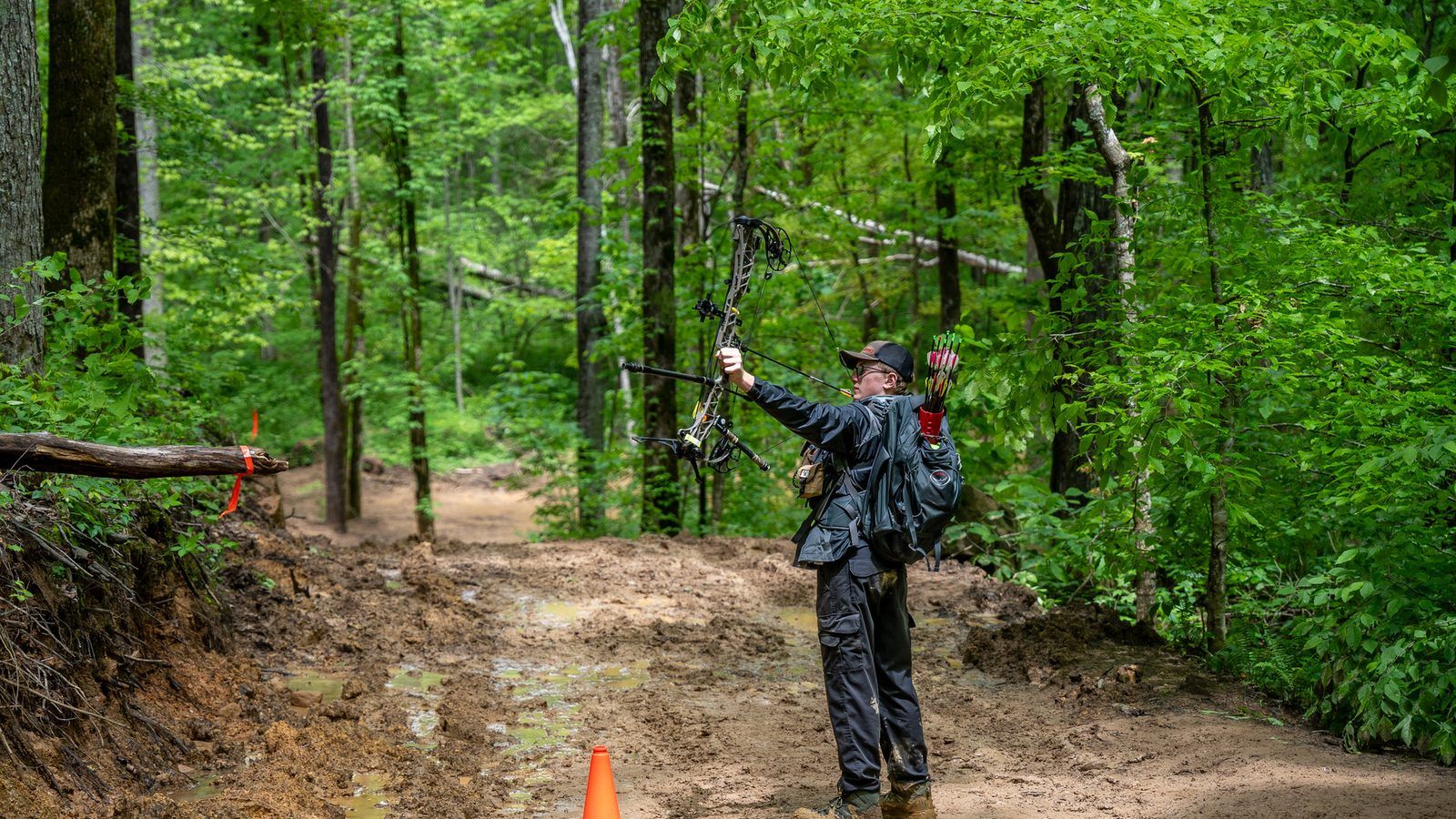
Florida divides the state into four hunting zones, A, B, C, and D. Each with its own archery, crossbow, and general gun seasons. Zone A opens earliest (August), Zone D opens latest (late October). If you're hunting public land, the dates below apply; on a Wildlife Management Area (WMA), check the area-specific calendar at FWC because WMA seasons can differ.
This is the 2026-2027 season. Dates are sourced directly from FWC and last verified May 2026. We update this page each spring when FWC publishes the next year's calendar.
Archery Season. Deer (2026–2027)
| Zone | Archery Dates | Crossbow Dates |
|---|---|---|
| Zone A | Aug. 1 – Aug. 30 | Aug. 1 – Sept. 4 |
| Zone B | Oct. 17 – Nov. 15 | Oct. 17 – Nov. 20 |
| Zone C | Sept. 19 – Oct. 18 | Sept. 19 – Oct. 23 |
| Zone D | Oct. 24 – Nov. 25 | Oct. 24 – Nov. 25, Nov. 30 – Dec. 4 |
What this means in plain English:
If you hunt Zone A (the southernmost slice of Florida. South of SR 70, including parts of Charlotte, Glades, Hendry, Collier, Lee, Monroe, and the Everglades), your archery season is the earliest in the state. Get tuned by mid-July. Zone D (the panhandle and northern Florida) opens latest. Zones B and C cover the broad middle of the state, and county lines split with SR 70 mean some counties (like Sarasota and Manatee) are in different zones depending on which side of SR 70 you're hunting.
For Sarasota- and Manatee-area hunters: the SR 70 line splits the county. Most of the developed coast and the Cynthia Lane (our facility) area sits in Zone A. Archery opens August 1. Inland and north-of-SR 70 portions fall into Zones B or C with later opening dates. Verify your specific parcel on the FWC interactive zone map before you plan your season.
GENERAL GUN SEASON (Context)
If you'd rather know the full picture:
| Zone | General Gun |
|---|---|
| Zone A | Sept. 19 – Oct. 18, Nov. 21 – Jan. 3 |
| Zone B | Dec. 5 – Feb. 21 |
| Zone C | Nov. 7 – Jan. 24 |
| Zone D | Nov. 26 – 29, Dec. 12 – Feb. 21 |
Crossbows are also legal during all general gun seasons.
Turkey. Fall Archery Dates
Fall turkey archery follows the deer archery calendar in each zone:
| Zone | Fall Turkey Archery |
|---|---|
| Zone A | Aug. 1 – Aug. 30 |
| Zone B | Oct. 17 – Nov. 15 |
| Zone C | Sept. 19 – Oct. 18 |
| Zone D | Oct. 24 – Nov. 25 |
- South of State Road 70: March 6 – April 11
- North of State Road 70: March 20 – April 25
Spring turkey allows archery, crossbow, shotgun, rifle, handgun, or muzzleloader.
Bag limits. Turkey:
- Daily: 2 bearded turkeys (gobblers only)
- Fall season total: 2
- Spring season total: 2
Florida Wild Hog Bowhunting. Year-Round, No Closed Season
Wild hogs may be taken year-round on private land with a bow, crossbow, rifle, shotgun, handgun, muzzleloader, air gun, or pistol. There is no bag limit, no closed season, and no licensed hunter requirement on private land you have permission to hunt.
On WMAs, hog seasons are area-specific. Check the FWC WMA Hunt Calendar for the area you're hunting.
This makes hogs the most accessible bow target in Florida. You can hunt them in July, August, all summer long, while the rest of the state is waiting for archery season to open.
Deer Bag Limits
- Daily: 2 deer
- Possession: 4 deer
- Annual: 5 deer total, of which only 2 can be antlerless (DMU D2 allows 3 antlerless)
Antler regulations vary by Deer Management Unit (DMU). Check the FWC zone map for your specific area before harvesting an antlered buck.
Florida Archery Equipment Regulations
What FWC requires for legal bow harvest of deer or wild turkey:
- Broadhead minimum width: 7/8 inch. Fixed-blade or mechanical, both legal. Inadequate broadhead width is a common citation.
- Bow type: Compound, recurve, longbow, or crossbow are all legal during their respective seasons.
- No minimum draw weight is specified in the regs. Most state regulations across the southeastern U.S. require 40 lb minimum draw weight for deer; Florida doesn't, but adult hunters are generally well-served by a 40 lb minimum with a sharp, properly-tuned broadhead. FWC's hunter education curriculum suggests 35 lb as a recommended floor for youth bowhunters.
For air bows and crossbows, separate equipment rules apply. See the FWC Hunting Regulations page.
Florida Bowhunting Prep, The 5-Week Pre-Season Checklist (2026 / 2027)
This is the standard ramp we run with bowhunters preparing for opening day. Adjust the start by zone:
Week 5. Bow audit. Cam timing, rest position, peep height, string condition, axle-to-axle verification. If your draw weight, draw length, or anchor have changed since last season, this is the week to fix it. Bow tuning. Week 4. Field point tuning. Paper-tune, walk-back-tune, and bare-shaft check. Establish a known-clean field-point group out to 40 yards. This is the baseline. Week 3. Broadhead verification. Switch to your hunting broadheads. Group at 20, 30, 40, 60 yards. Most hunters discover broadheads don't hit with field points. The fix is broadhead spin tuning. See Why Broadheads & Field Points Don't Hit Together. Week 2. Real-world conditions. Shoot from a tree stand or ground blind position. Practice with the actual quiver, release, and arrow you'll hunt with. Cold barrel, no warmup. One arrow. Week 1. Mental + checklist. Range estimation drills (if you don't use a rangefinder), shot routine under simulated buck-fever conditions, equipment checklist. Florida bowhunting readiness check. Opening day. Trust the work. No range-day adjustments. Hunt.Two Florida Bowhunting Mistakes We See Every Season
Mistake 1: Tuning the day before opening day. You will not fix a tuning problem the day before season. You will create a new one. Shoot what you tuned. Period. Mistake 2: Skipping broadhead verification. The single most common reason hunters miss in October is shooting field-point-grouped sights with broadheads they never verified at distance. Five minutes at 40 yards with broadheads tells you everything.When You Need Help Beyond the Calendar
If your bow isn't grouping clean, your broadheads aren't matching field points, or you're prepping for an out-of-state Western hunt at distances Florida bowhunters rarely practice, that's what we're here for.
- Bow tuning. Labradar-verified tuning on a 120+ yard outdoor range
- Bowhunting coaching. Shot placement, ethical distance, broadhead optimization
- Western hunt prep. Elk, mule deer, pronghorn, prep for distances and altitude Florida hunters don't get
- Custom arrows. Purpose-built for your bow + draw + game
Florida Bowhunting Season. FAQ
When does Florida archery season start in 2026?
Florida archery season opens by zone, not statewide. Zone A opens earliest in late July, Zone B and Zone C open mid-October, and Zone D opens mid-October as well. Wild hog and other non-game species are open year-round on most private and many public lands. Always confirm exact opening and closing dates with the current FWC Florida Hunting Regulations handbook before each season. Dates shift slightly year to year and zone-specific WMAs sometimes have additional restrictions.
What can I legally hunt with a bow in Florida?
During archery season: white-tailed deer (antlered or antlerless per zone rules), wild hog, gray squirrel, rabbit, and certain furbearers. Wild turkey is only legal during the spring turkey season (and special fall seasons in some zones). Alligator hunting requires a separate permit and is not part of the archery season calendar. Always check FWC's antler restrictions and tag requirements for the zone you're hunting.
How early do I need to start prepping my bow for Florida hunting season?
Six to eight weeks before opening day is the practical window. That gives you time to verify draw weight at your real form (not the spec sheet), tune your bow with your hunting arrow and broadhead, run a Labradar verification at 30, 40, and 50 yards, replace strings if it's been over 2 years, and shoot enough volume to know your effective range. Archers who wait until week-of are the ones who discover problems they can't fix in time.
Why do my broadheads fly differently than my field points?
Because broadheads amplify every tiny tune issue your field points hide. Center shot, cam timing, arrow spine mismatch, fletching contact, nocking-point height. A bow that groups field points into a fist at 40 yards can throw broadheads a foot wide if any of those variables are off. The fix is a proper broadhead tune at distance, not switching broadhead brands.
Can I bowhunt on public land in Florida?
Yes. Florida has dozens of Wildlife Management Areas (WMAs) and a few state forests open to archery hunting, with some offering archery-only seasons that precede the general gun season. Each WMA has its own quota, brochure, and specific rules. Pull the current brochure from myfwc.com for any WMA you plan to hunt.
What's the most common mistake Florida bowhunters make pre-season?
Practicing only with field points and assuming the broadhead will fly the same. The second most common is shooting only at 20 yards and assuming it scales. Most missed deer happen at 25-40 yards where small tune errors get magnified. The fix is verification at the real distances you might shoot, with the actual broadhead you're going to hunt with.
Have a Question About Your Setup?
If you're a Florida archer trying to put what you read here into practice. Book a session.
Book a Session